
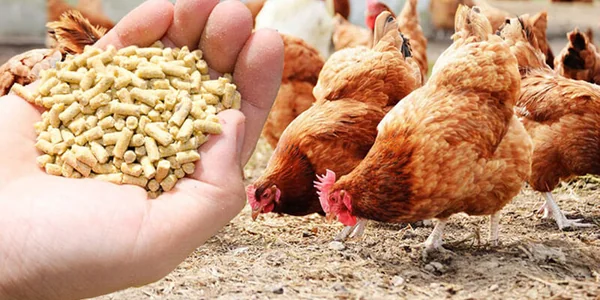
Poultry Feed
Produce feed for broilers, layers, chicks, breeders and ducks in mash, crumble or pellet form, according to the required formula.


Our feed production line offers high-efficiency, intelligent automation and energy-saving features. Ideal for large-scale poultry, livestock, and aquaculture feed production, it includes full services such as site planning, factory construction, equipment selection, and ongoing support, ensuring smooth operations and optimal productivity. Whether constructing a new facility or upgrading an existing one, we provide tailored, end-to-end solutions.
The 13–18 T/H feed production line is planned for commercial feed mills producing poultry and livestock feed. From receiving and cleaning through grinding, batching, mixing, pelleting, cooling, screening and packing, the process can be configured as one coordinated system.
The proposed equipment depends on the feed formulas, ingredient characteristics, finished-feed specifications, operating hours, utilities and available plant space. Actual output varies with these conditions and the final equipment configuration.

A proposal may include raw material receiving and cleaning equipment, hammer mills, batching and mixing systems, conditioning and pelleting equipment, coolers, screens and packing systems.
HERM selects each section around the target feed products, raw materials, daily demand and facility layout. The arrangement can be adapted to a new mill or a suitable existing building.

HERM plans the proposed feed production process and 3D layout around your formulas, target output, operating schedule and site conditions.
The layout considers equipment access, ingredient storage, material flow and maintenance space within the available building.
Equipment is selected for the required feed products and process. Suitable existing machines can be assessed for integration into an upgrade.
Installation guidance, equipment inspection and commissioning responsibilities are defined for the agreed project scope.
Operator training can cover equipment operation, routine inspection, maintenance and common troubleshooting procedures.
Technical communication can support operating questions, equipment maintenance and future production-line improvements.
Dust collection, equipment interlocking and production monitoring can be reviewed for the selected process and automation level.
The final service scope and responsibilities are confirmed in the project agreement.
Equipment photographs ilustrate the process stages; they do not represent a confirmed 13-18 T/H project configuration.
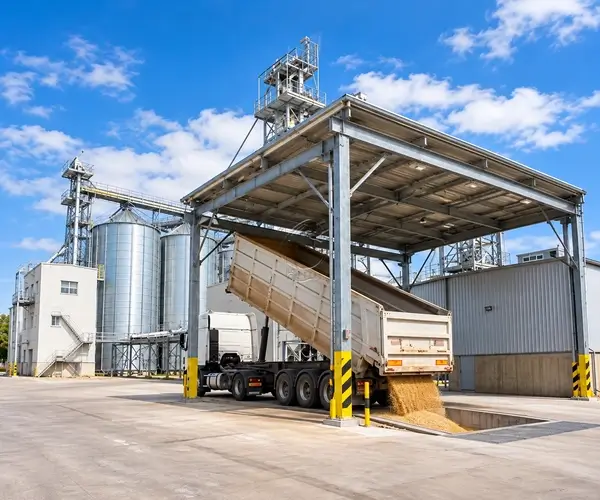
Receive and organize raw materials.
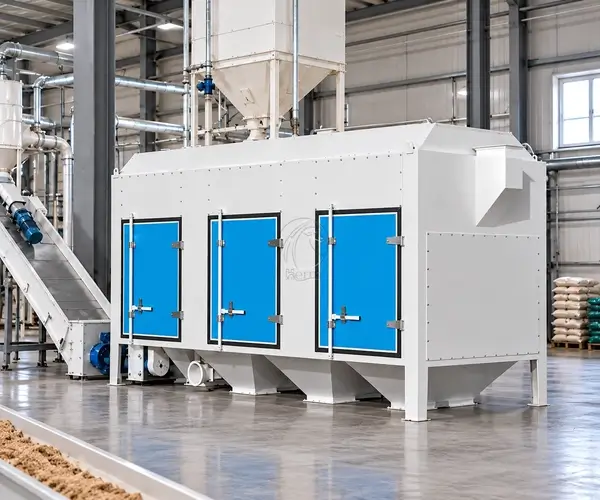
Remove unwanted material.
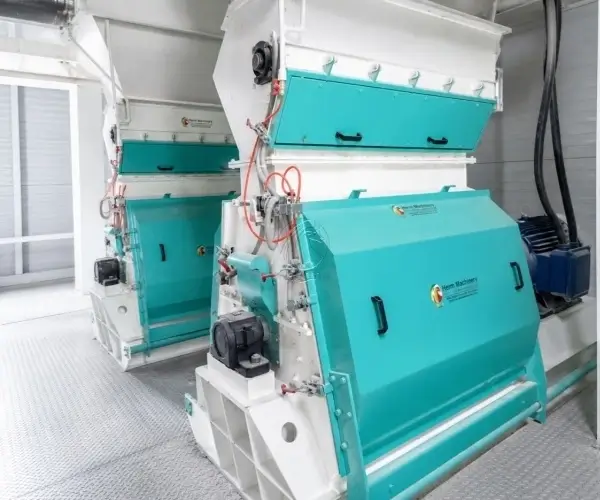
Prepare the required particle size.
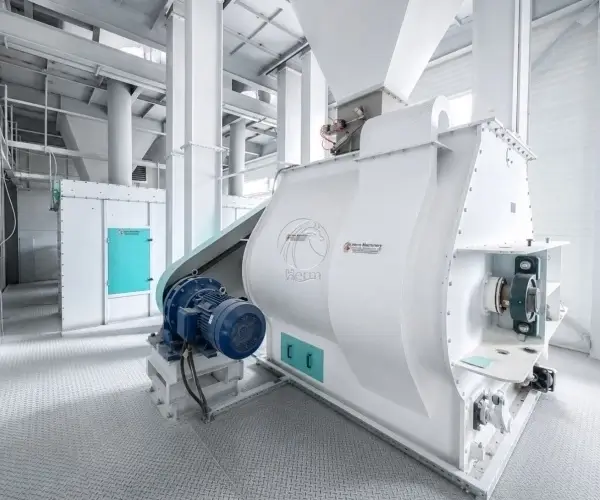
Weigh and mix the ingredients.
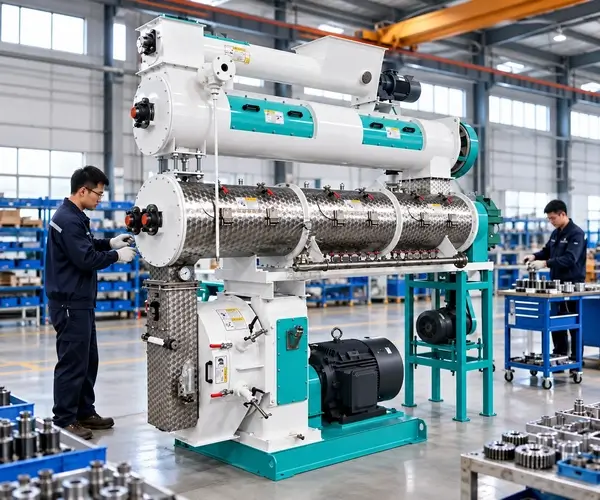
Condition and form the pellets.
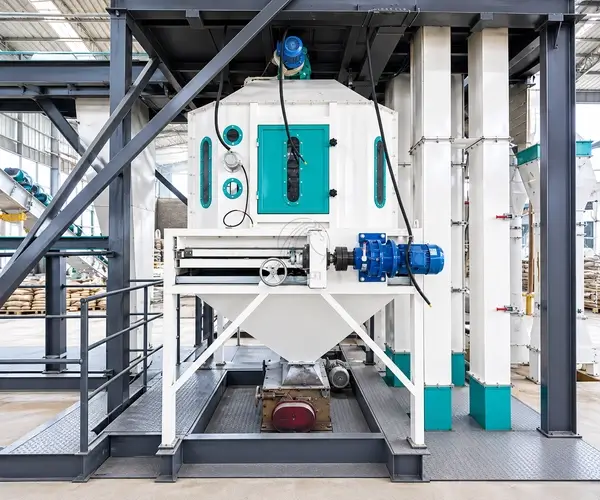
Cool pellets before handling.
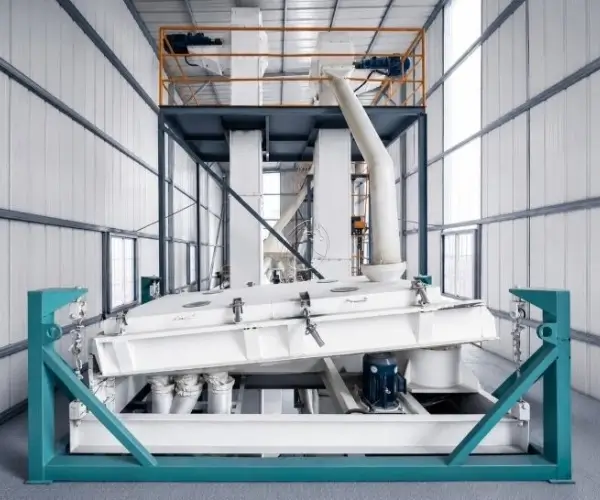
Separate fines and off-size feed.
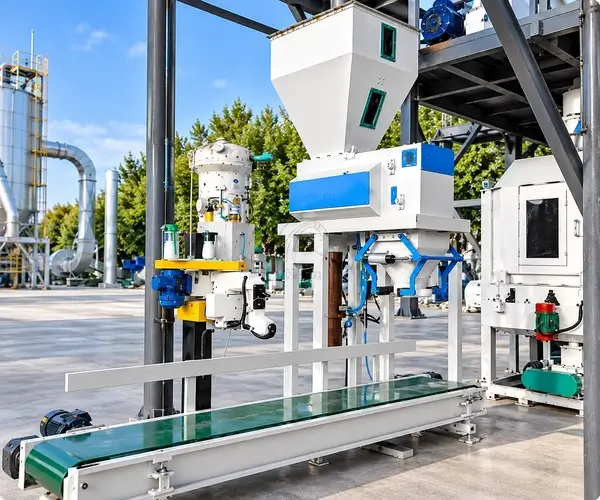
Weigh and pack finished feed.
Optional crumbling follows cooling when required. The final process depends on the feed specification.
Make a Quick Inquiry Now !
Produce feed for broilers, layers, chicks, breeders and ducks in mash, crumble or pellet form, according to the required formula.
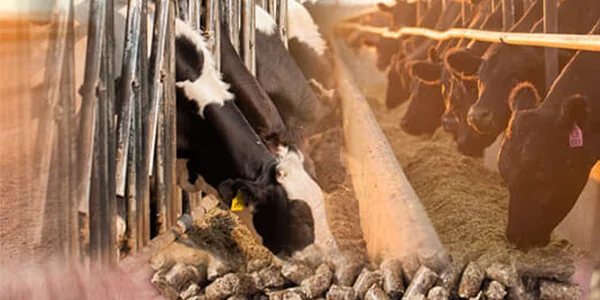
Configure compound feed production for dairy or beef cattle based on the selected ingredients, feed form and formulation.
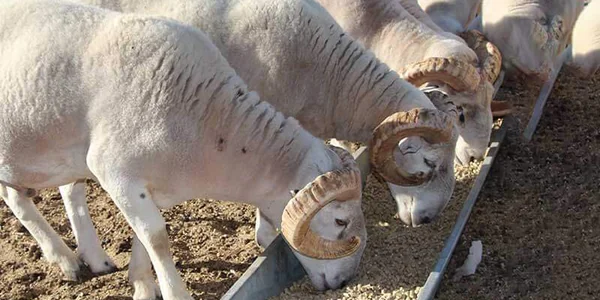
Plan pelleted feed production around the required formula, fiber characteristics and feeding program.
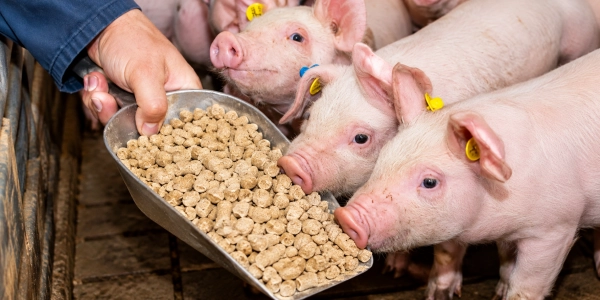
Produce pig feed for different growth stages with equipment selected for the formula, ingredient properties and pellet specifications.
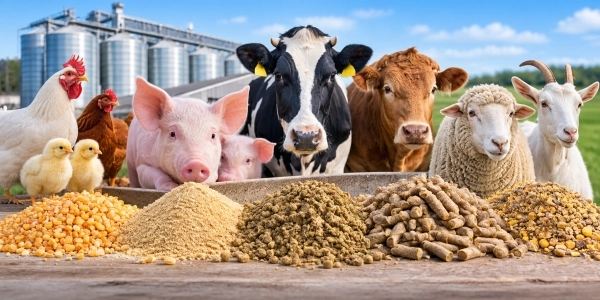
A line can be configured for multiple poultry and livestock feed formulas, with batching, storage and changeover needs considered in the design.
Daily tonnage, operating hours and changeovers.
Ingredient delivery and finished-feed handling.
Ingredients, product form and pellet specifications.
Packing method and operating responsibilities.
Floor dimensions, clear height and access.
Formula changes and possible expansion.
No. Output depends on ingredient properties, grinding fineness, pellet diameter and selected equipment. Share your formulas and product targets for a project-specific assessment.
A layout assessment is needed. Building dimensions, clear height, columns, access, utilities and maintenance space should be reviewed together.
Multiple formulas may be possible with suitable storage, weighing and changeover procedures. Their outputs may differ.
Provide the project location, feed products, target demand, main ingredients, operating hours, finished-feed sizes, building information and packing requirements.
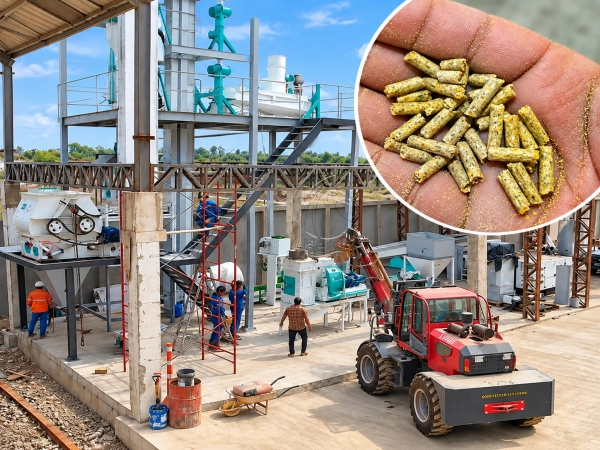
HERM supplied a pig feed production line for a customer in Ecuador, designed for 3–5 metric tons per hour and 4 mm pig feed pellets. Installation and commissioning are complete, the trial run was successful, and the line is now in regular product...
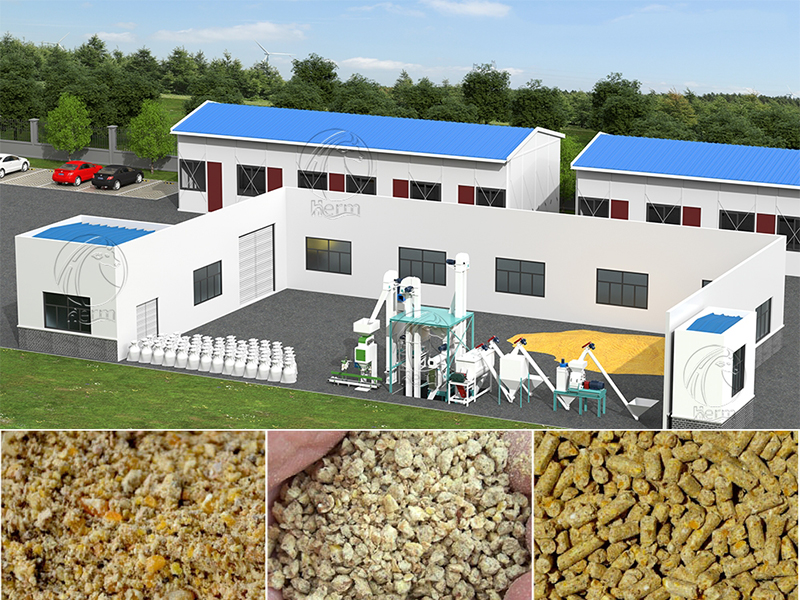
Henan HERM Machinery Provides 3-4T Feed Production Line to Boost Chicken and Cattle Feed Production Efficiency for Kenyan Client Henan HERM Machinery has recently supplied a 3-4T feed production line to a client in Kenya, significantly enh...
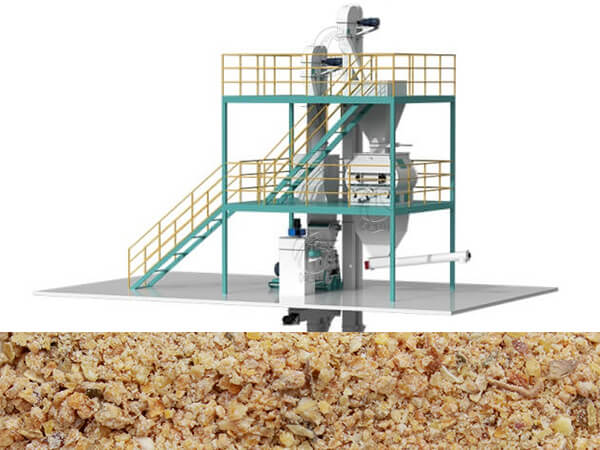
Henan HERM Machinery Provides 5T/H Powder Feed Production Line for Bukhara Customers in Uzbekistan, Boosting Poultry Farm Production Efficiency Henan HERM Machinery recently supplied a complete 5T/H powder feed production line to a custome...
Thank you for your interest in Herm. Let us be your solutions source. Fill out the form below and we will contact you.
One-stop Feed Engineering Solution Provider
Developed and Managed by HERM Limited


