
Project Planning & 3D Design
HERM develops the proposed process route, equipment arrangement and 3D plant layout around your feed products, raw materials, target output, operating schedule and site conditions.

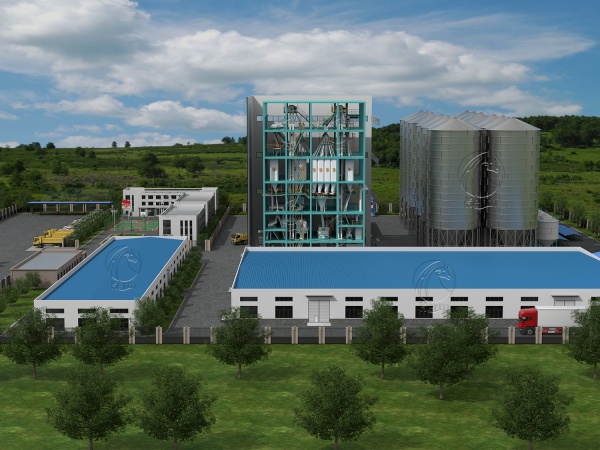


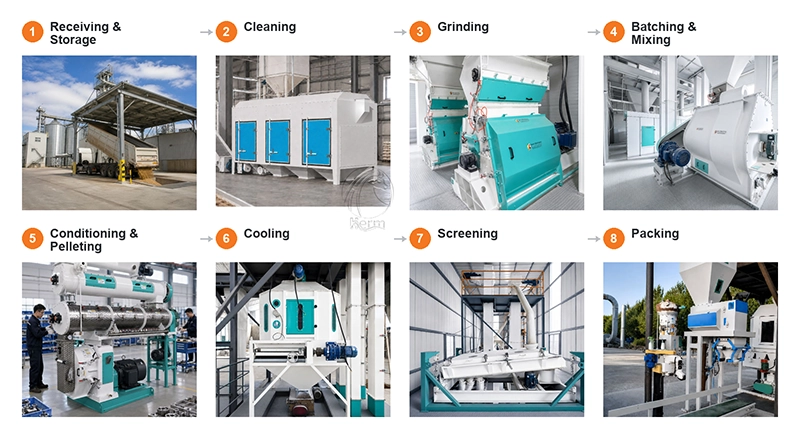
Designed for large commercial poultry and livestock feed projects, HERM’s 35–40 T/H feed production line integrates raw material receiving, grinding, batching, mixing, conditioning, pelleting, cooling, screening and packing. The final configuration is developed according to the customer’s raw materials, feed formulas, pellet sizes, operating schedule, site conditions and future expansion requirements.
A 35–40 T/H feed production line is an integrated manufacturing system designed to produce poultry and livestock feed at commercial scale. It connects raw material preparation, accurate batching, uniform mixing, conditioning, pelleting, cooling, screening and final packing in one coordinated process.
The actual production output depends on the feed formula, raw material characteristics, grinding fineness, pellet diameter, equipment configuration and operating conditions. HERM develops the process and equipment configuration around these confirmed project requirements.
The solution can be used for a new feed mill project or the expansion of an existing plant. Equipment arrangement, automation level, storage capacity and building layout are adapted to the customer’s production plan and available site.
The production line can include raw material cleaning equipment, hammer mills, batching systems, twin-shaft mixers, conditioners, ring-die pellet mills, counterflow coolers, pellet crumblers, rotary screens, dust collection systems and automatic packing equipment.
Rather than applying a fixed equipment list to every project, HERM selects and configures each processing unit according to the required feed products, raw materials, pellet sizes, operating hours and maintenance conditions.

HERM provides an integrated engineering solution for new feed mill projects and existing plant expansions.
HERM develops the proposed process route, equipment arrangement and 3D plant layout around your feed products, raw materials, target output, operating schedule and site conditions.
The layout considers production flow, equipment access, ingredient storage, finished-feed handling and maintenance space within the available facility.
Equipment is selected for the feed formulas, ingredient properties and required process, rather than nominal capacity alone. Existing equipment can be assessed for a targeted plant upgrade.
Installation guidance, equipment inspection, system commissioning and initial production support are planned according to the agreed project scope and local site conditions.
Training can cover equipment operation, production procedures, routine inspection, maintenance requirements and common troubleshooting methods for the selected line.
After commissioning, HERM provides technical communication for equipment maintenance, operating questions and potential production-line improvements.
Dust collection, air aspiration, production monitoring and automation functions can be configured according to the selected process and project requirements.

The process is configured around the required feed products and project conditions. Actual output may vary with raw material properties, formula composition,pellet diameter and operating conditions.
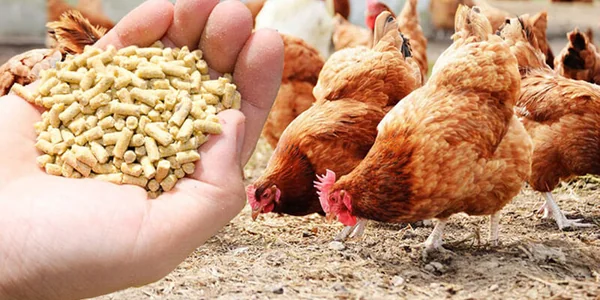
Produce feed for broilers, layers, chicks, breeders and ducks in mash, crumble or pellet form, according to the required formula.
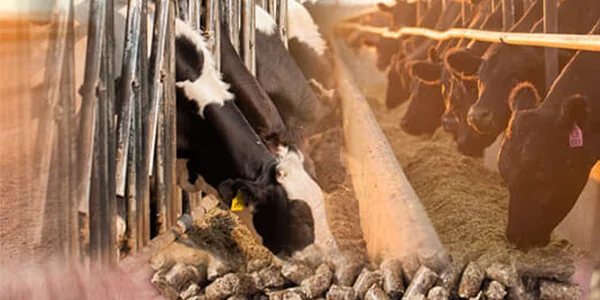
Configure compound feed production for dairy or beef cattle based on the selected ingredients, feed form and formulation.
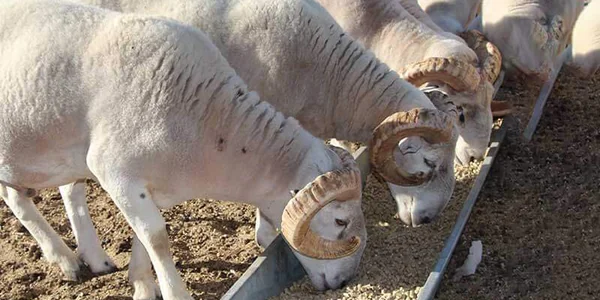
Plan pelleted feed production around the required formula, fiber characteristics and feeding program.
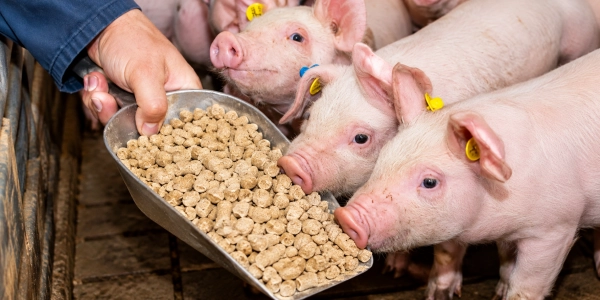
Produce pig feed for different growth stages with equipment selected for the formula, ingredient properties and pellet specifications.
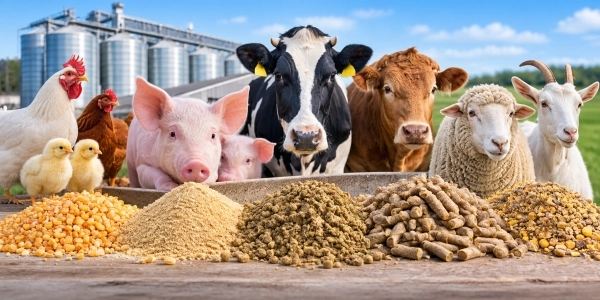
A line can be configured for multiple poultry and livestock feed formulas, with batching, storage and changeover needs considered in the design.
HERM coordinates process flow, equipment arrangement and plant layout as one feed production system, from raw material receiving to finished-feed handling.
The proposed process can account for different grains, protein ingredients, additives and poultry or livestock feed formulas, subject to the selected equipment and changeover requirements.
Plant dimensions, existing buildings, equipment access and potential future expansion are reviewed when developing the project layout.
Depending on the selected control system, the line can support equipment interlocking, operating-status monitoring and production management functions.
Grinding, mixing, pelleting and downstream equipment are selected around the required feed form, pellet specifications, ingredient properties and target output.
Engineering design and equipment manufacturing are coordinated around the process requirements and interfaces between production units.
Dust collection and related process controls can be configured around material transfer points, equipment operation and project requirements.
HERM provides technical communication during project planning, commissioning and later operation, with the specific support scope defined in the project agreement.
No. The stated capacity is a planning range, not a guaranteed output for every product. Actual throughput depends on ingredient properties, grinding fineness, pellet diameter, feed formulation, equipment configuration and operating schedule. HERM assesses the proposed output against your specific production requirements.
A line can be configured for multiple poultry and livestock formulas. The design should account for ingredient storage, batching accuracy, pellet specifications and the cleaning or changeover procedures needed between products. Different formulas may run at different outputs.
Not necessarily. Drying requirements depend on the moisture and storage condition of the incoming materials. HERM reviews your raw materials and receiving arrangements before determining whether drying equipment should be included in the process.
This requires a site assessment. Building dimensions, clear height, column positions, equipment access, utilities, material flow and maintenance space all affect the layout. Suitable existing equipment can also be reviewed if the project is an expansion or upgrade.
The scope may include installation guidance, equipment inspection, commissioning, operator training and initial production support. The responsibilities of HERM and the local site team should be confirmed in the project agreement before implementation.
Provide the project location, target hourly and daily output, operating hours, main feed formulas, raw materials, required pellet sizes and packing method. For an existing facility, include building drawings, available utilities and details of any equipment you intend to retain.
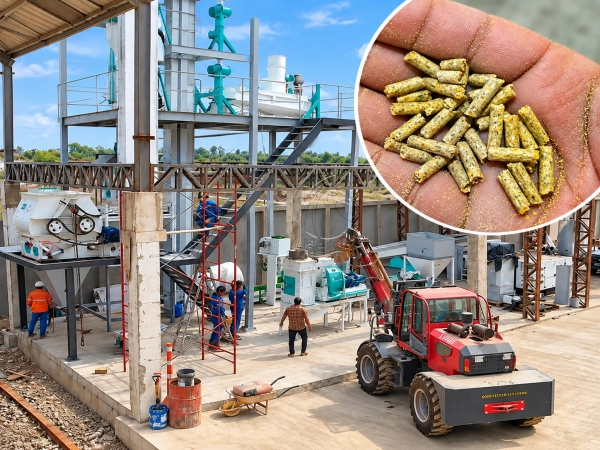
HERM supplied a pig feed production line for a customer in Ecuador, designed for 3–5 metric tons per hour and 4 mm pig feed pellets. Installation and commissioning are complete, the trial run was successful, and the line is now in regular product...
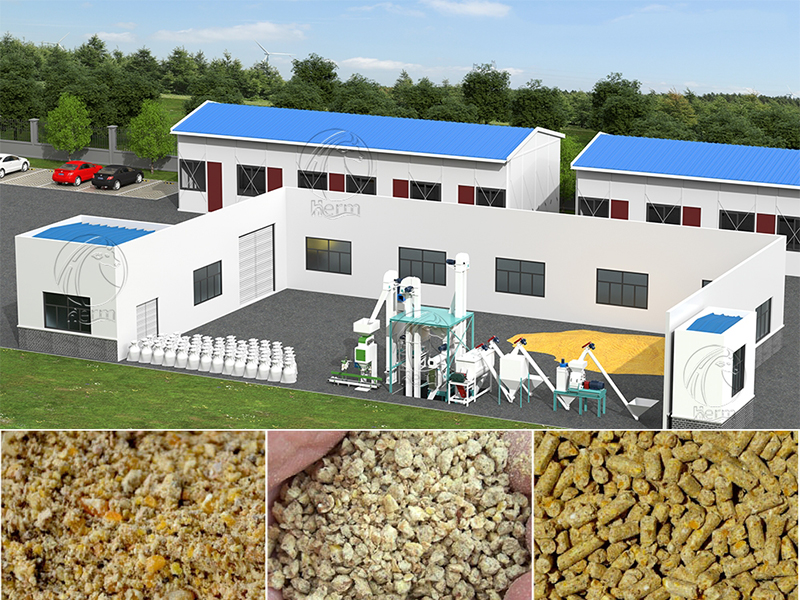
HERM designed a customized 3–4 T/H production line for a Kenyan client producing chicken and cattle feed. The line was configured to fit the existing facility and produce mash, pellets, and chick-feed crumbles. Explore the 3D layout, key equip...
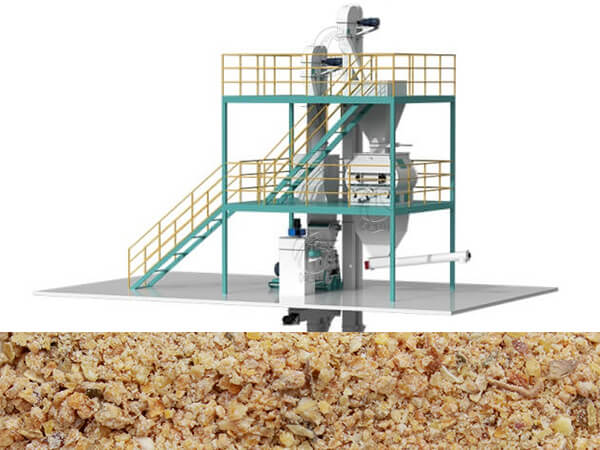
HERM supplied a customized 5 T/H powder feed production line for a poultry farm in Bukhara, Uzbekistan. The 8 m line was designed to fit the farm’s existing building and produce chicken mash feed. Explore the site layout, key eq...
Thank you for your interest in Herm. Let us be your solutions source. Fill out the form below and we will contact you.
One-stop Feed Engineering Solution Provider
Developed and Managed by HERM Limited


